JCF Motorcycle Fatality Reduction Strategist Warns: Certified Helmets Save Lives
Certified helmets are the difference between life and death on Jamaica’s roads, according to Motorcycle Fatality Reduction Strategist, District Constable Marlon Fletcher. He warns that in a split second, the choice to wear a certified helmet can determine whether a rider makes it home safely or becomes another tragic statistic on Jamaica’s roads.
With motorcycle fatalities continuing to claim lives across the island, Fletcher is urging riders to treat certified helmets as essential safety equipment, not optional accessories.
“It is important to wear a certified helmet,” he noted. “Many riders think any helmet will do; it won’t.”
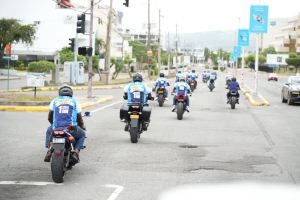
As a veteran stunt rider and president of the Jamaica Motorcyclists Association, Fletcher brings decades of experience on motorcycles, a passion that began at age nine when his grandfather first introduced him to riding.
“That bike was heavy,” he recalled. “I was too small to reach the ground, so my grandfather would sit behind me and put his feet down when I needed to stop.”
What began as a childhood fascination later developed into a career in professional stunt riding and training, earning him both local and international recognition. Despite his experience, Fletcher notes that skill can never replace proper safety gear.
He noted that as of June 3, twenty-eight (28) motorcyclists had died on Jamaica’s roads, with only two of those riders wearing helmets at the time of their crashes.
A certified helmet, he explained, is designed and tested to absorb impact and significantly reduce the severity of head injuries, increasing a rider’s chance of survival in a serious crash by up to 60 percent.
However, he cautioned that wearing a helmet alone is not enough. “If it’s not fastened properly, it’s useless,” he warned. “In a crash, the helmet goes one way and you go another.”
Fletcher also urged riders to take greater responsibility for their behaviour on the road. “You don’t need to speed. You don’t need to race,” he said. “A motorcycle is already a dangerous piece of machinery. Add alcohol, drugs, or careless riding, and the risk multiplies.”
He added that the consequences of motorcycle crashes extend far beyond the individuals involved, placing heavy strain on families, the healthcare system, and the wider economy. “A serious motorcycle injury can cost millions of dollars to treat,” he said. “Many involve broken bones, head trauma, and multiple lacerations, requiring extensive medical care.”
This reality has helped inspire the Bikers’ Blood Drive initiative, which encourages motorcyclists to donate blood and support hospitals that often treat crash victims. “Motorcyclists come together from all walks of life with one common love, motorcycles,” Fletcher said. “One pint of blood can save up to three lives. The blood drive is our way of giving back and ensuring blood is available when it is needed most.”
After a lifetime on motorcycles, his message remains firm: no ride is worth risking your life. “If you only have enough money to buy the bike but not a certified helmet, leave it parked until you can afford one,” Fletcher said.